
31
2026
Understanding the Psychology of Bluffing
Bluffing is a fundamental aspect of poker that goes beyond mere card play; it intricately involves an understanding of human psychology. Players must learn how to read their opponents’ emotions and tendencies, which can be influenced by a variety of factors, including the vibe at the table and the stakes involved, much like those found at australian online casino payid venues. Mastering this psychological element can significantly enhance your game, allowing you to create deceptive plays that mislead other players about the strength of your hand.
Moreover, the timing of a bluff is crucial. Effective bluffing requires patience and awareness of the game context. For instance, players should consider their position at the table, the betting behavior of others, and the community cards that are revealed. A well-timed bluff can lead opponents to fold when they might otherwise stay in the game, thus increasing your chances of winning a pot without having the best hand.
Additionally, it’s essential to maintain a consistent playing style. If a player is overly aggressive or unpredictable, it becomes challenging to pull off a successful bluff. Instead, aim for a balanced approach where your betting patterns do not tip off your opponents to the possibility of a bluff. Being able to bluff effectively requires an understanding of how your behavior influences the decisions of others at the table.
Recognizing Ideal Moments to Bluff
Identifying the right moments to bluff is a skill that can be developed through practice and observation. One common scenario where bluffing can be particularly effective is when the community cards suggest a strong possibility of a better hand. For example, if the board shows high cards or a potential flush, players may be inclined to fold if you present yourself strongly. This scenario offers a promising opportunity to leverage a bluff, as opponents may discard their hands based on perceived threats.
Another scenario is when you are in a late position at the table. Bluffing from a later position allows you to gauge the reactions of earlier players before making your move. If others have checked or called weakly, it can create the impression that your hand is stronger than it may actually be. This strategic advantage can lead to successful bluffs, as players are often hesitant to challenge what they perceive might be confidence in your hand.

Lastly, be mindful of your table image when considering a bluff. If you have been playing tightly and suddenly make a large bet, it may raise suspicion among your opponents. Conversely, if you have been playing aggressively, a well-timed bluff could be more effective, as it might blend into your overall strategy. Always analyze how your previous actions at the table could influence the success of your bluff.
The Mechanics of a Successful Bluff
A successful bluff is more than just a player pretending to have a stronger hand; it involves a series of thoughtful actions and considerations. First, players should choose the right bet size. A common mistake is betting too little; such an action may not sufficiently convey strength and could lead opponents to call your bluff. Instead, a substantial bet can induce folds, as players often react to larger bets with caution, weighing the risk of losing against the potential reward.
Moreover, the narrative you create during the hand is vital. Effective bluffing requires weaving a believable story through your actions. For instance, if you raised pre-flop and then continued to bet aggressively on the flop and turn, you build a case that supports the legitimacy of your hand. Your opponents are likely to consider this story and may be more inclined to fold if the storyline from betting aligns with their perceptions of the game.
Additionally, consider the composition of the table and the specific players you are facing. Each opponent brings their tendencies into the game. Some may be more prone to folding at the sight of aggression, while others may be more stubborn. Understanding these dynamics can help tailor your bluff to be more effective against certain players, further enhancing your success rate and allowing you to master the art of bluffing.
Common Mistakes to Avoid While Bluffing
Even seasoned players can fall victim to common pitfalls in bluffing. One major error is bluffing too often, which can lead to a table reputation as a bluffer. Once opponents catch on to this pattern, they are less likely to fold when you do attempt to bluff, rendering your efforts ineffective. Striking the right balance between bluffs and genuine strong hands is crucial for maintaining credibility among your peers.
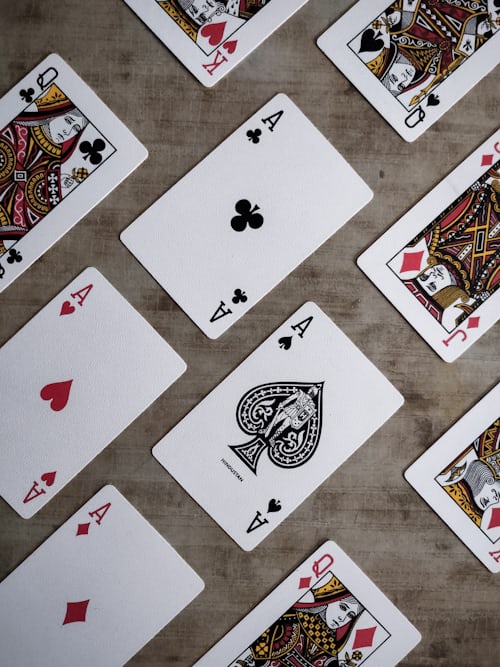
Another mistake is failing to analyze the specific game dynamics before attempting a bluff. For instance, if you’re at a table with highly skilled players, they may be more adept at reading tells and understanding the situation, making bluffs riskier. Conversely, bluffing against less experienced players can sometimes yield better results, as they may not be able to accurately assess the board and your betting patterns.
Lastly, emotional reactions can cloud judgment. If you find yourself becoming frustrated with your hand or the way the game is unfolding, you may feel inclined to bluff out of desperation rather than strategy. Staying calm and collected is essential to ensuring that your bluffing remains calculated and effective rather than knee-jerk and obvious.
Building Your Online Presence in Poker
In the realm of poker, establishing a robust online presence can significantly enhance your learning and networking opportunities. Many aspiring players have turned to online platforms to sharpen their skills, share strategies, and engage with a community of poker enthusiasts. Creating an account on a reputable poker forum can facilitate discussions where you can learn from experienced players and share your insights on bluffing and other strategies.
Moreover, consider producing content that showcases your journey and insights into bluffing techniques. Whether through blogs, videos, or social media posts, sharing your experiences can build a following and encourage dialogue within the poker community. This not only demonstrates your commitment to improving but also establishes you as a knowledgeable player, which can further enrich your learning experience through interactions with other members.
Lastly, don’t forget that online platforms often host tournaments and games where you can practice your bluffing techniques in a controlled environment. Engaging in these events allows you to apply what you’ve learned in real-time situations, helping to refine your strategies and develop your style further. By immersing yourself in the online poker world, you can master the art of bluffing and draw valuable lessons from a community that shares your passion for the game.



Recent Comments